



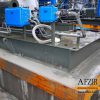
What is polymer grout, and how is it formulated?
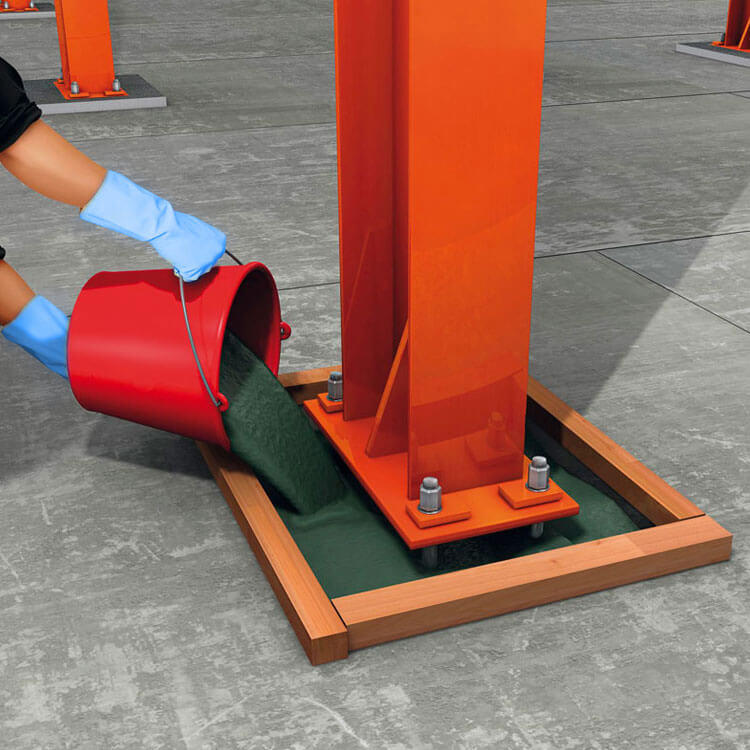
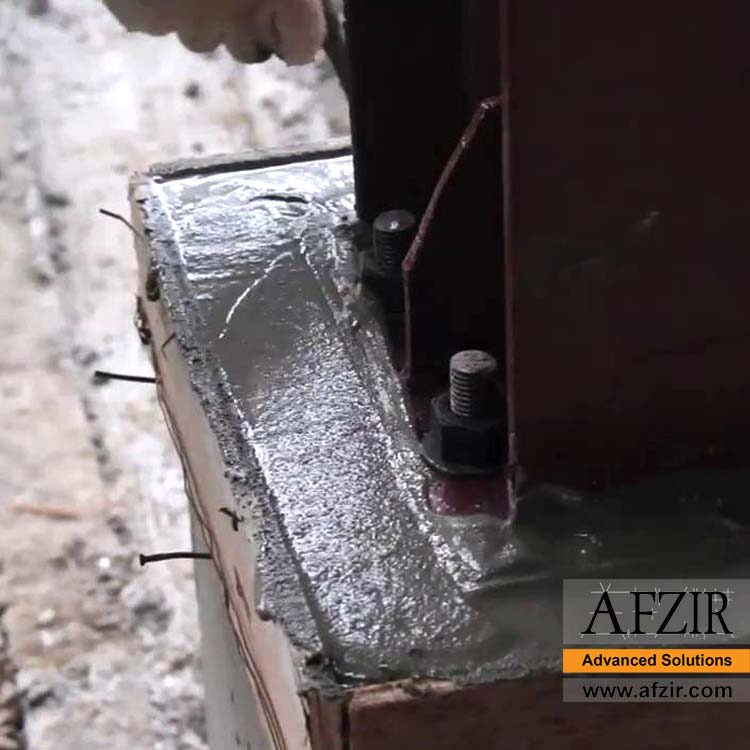
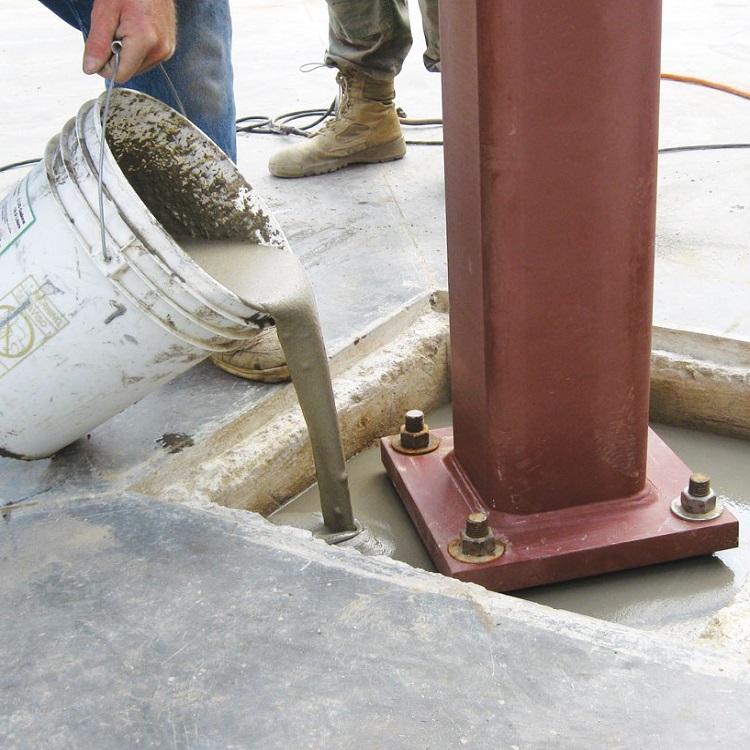
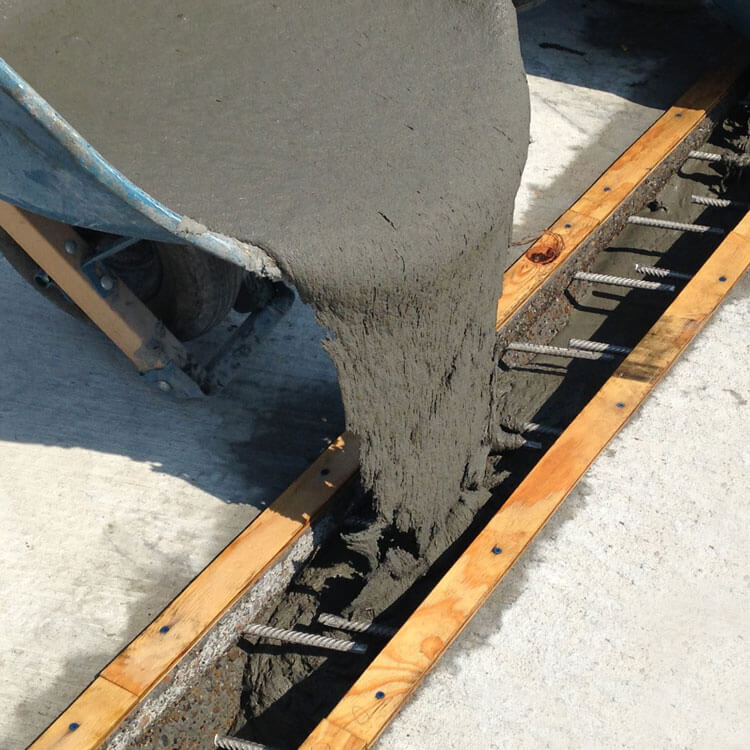
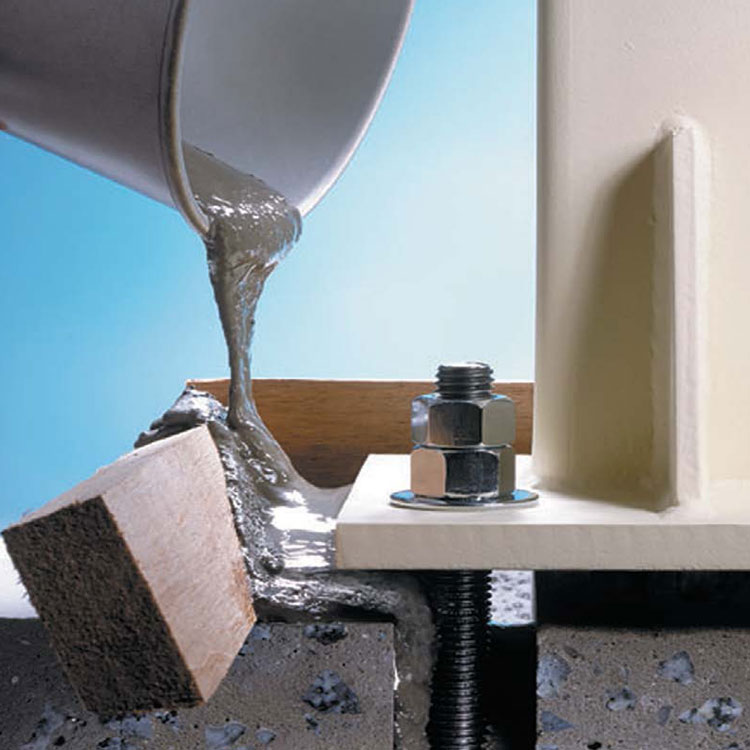
Polymer grout is a mixture of polymer resin and cement that is specifically designed to have high strength and special granulation with sugar silica sand, providing excellent lubrication properties.
What is the maximum thickness for polymer grout?
The recommended thickness for polymer grout ranges from a minimum of approximately 25 mm to a maximum of around 80 mm.
How do you calculate the volume of grout?
Accurately calculating and estimating the required volume of grout is crucial. To simplify this process, Afzir Retrofitting Company has developed an online calculator tool that assists in determining the necessary amount of grout based on your project’s specific conditions.
purchase price information for polymer grout
The price of polymer grout with fibers (FCG™ code) is calculated per kilogram and can be purchased by weight or bag. Our experts are available to provide guidance on purchasing options and pricing for reinforced cement grout.
The difference between epoxy-based grout and polymer-based grout
- Chemical resistance: Epoxy-based grouts exhibit higher chemical resistance compared to polymer grouts.
- Load type: Epoxy grout is commonly used for plates subjected to dynamic loads, while polymer grout is more suitable for plates exposed to static loads.
- Tensile strength: Epoxy grouts have high tensile strength, making them effective for transferring tensile loads to the foundation. Polymer grouts, on the other hand, have lower tensile strength.
- Temperature limitations: Polymer grout can be applied at temperatures up to 200 degrees, while epoxy grout is suitable for use at lower temperatures, typically below 55 degrees.
- Overall efficiency: Epoxy grout is generally considered more efficient than polymer grout due to its higher compressive strength, which can be 50 to 100% greater
How to choose the right grout
The selection of grout depends on various project conditions. The following factors influence the choice of grout:
Ambient temperature:
Polymer grout can be used at temperatures up to 200 degrees, while epoxy grout should only be used below 55 degrees.
Type of load applied to the plate:
The load on the plate can be either static or dynamic. Static loads are applied continuously, whereas dynamic loads change over time, such as the load from a moving vehicle. The nature of the load applied to the plate plays a role in selecting the appropriate grout. Polymer grout performs well in areas with static loads, whereas epoxy grouts are more suitable for locations with dynamic loads due to their flexibility.






Reviews
There are no reviews yet.